All News
-

The Plastic Bag Paradox: What the Numbers Actually Say
From Convenience to Sustainability: The Story Behind Plastic Bags!
Did you know? Plastic bags were originally created to provide a more convenient lifestyle while also considering environmental protection!The Plastic Bag Paradox: What the Numbers Actually Saymore -

Not All Plastics Are Harmful to Your Health?
Not All Plastics Are Harmful to Your Health? Let’s Reveal the Truth!
When it comes to plastic materials, there are many different types, and their effects on health vary depending on their chemical composition. Not all plastics are harmful. Understanding the characteristics of different plastics is the key to protecting your health.
Let’s take a look at the different types of plastics and their potential health risks:
1. Polyethylene (PE) and Polypropylene (PP)
Characteristics: These plastics are commonly found in everyday products such as plastic bags, food packaging, containers, and utensils.
Health Risks: PE and PP are considered relatively safe plastics because they generally do not release harmful chemicals and are therefore considered safe for human health.
Usage Advice: Even so, it is still recommended to avoid prolonged use under high temperatures to prevent deterioration or contamination.
2. Polycarbonate (PC)
Characteristics: Polycarbonate plastics are commonly used in water bottles, eyeglass lenses, and some food containers.
Health Risks: Polycarbonate contains Bisphenol A (BPA), a chemical known to potentially disrupt the endocrine system. Especially under high temperatures or heating conditions, BPA can leach into food or beverages, and long-term exposure may affect hormone balance.
Usage Advice: Choose products labeled “BPA-free” and avoid exposing these plastic products to high temperatures, such as microwaves or direct sunlight.
3. Polyvinyl Chloride (PVC)
Characteristics: PVC is widely used in pipes, window frames, certain toys, and food packaging.
Health Risks: During the manufacturing process, PVC may contain plasticizers such as phthalates, which may pose health risks, particularly to the reproductive and endocrine systems.
Usage Advice: Avoid prolonged or repeated contact with PVC products, especially when they are exposed to high temperatures or become deformed, as plasticizers are more likely to be released.
Friendly Reminder:
When choosing plastic products, try to select those labeled “BPA-free” and “phthalate-free” to reduce the risk of harmful substances. For food-contact materials, products that comply with FDA or other recognized safety standards are generally more reliable. In addition, when plastic products become old or cracked, they should be replaced immediately to avoid the release of harmful substances.
By understanding the properties of different plastic materials, choosing suitable products, and avoiding long-term use under high temperatures, you can effectively reduce potential health risks.
Did you learn something new today?Not All Plastics Are Harmful to Your Health?more -

Microwaving in Plastic? Here's What to Check First
Did you know? Not all plastics are microwave-safe!
Polypropylene (PP) is the best choice for microwave use because of its strong heat resistance. Look for recycling symbol #5 on the bottom of the container.
Materials such as PET (#1), PVC (#3), and LDPE (#4) have lower heat resistance and should be avoided for high-temperature heating.
Silicone containers can withstand higher temperatures, making them a safer option for microwave heating.
Before using a microwave, always check the label on the bottom of the container to make sure it is microwave-safe and follow the recommended heat resistance range. Safe use makes heating easy and convenient.Microwaving in Plastic? Here's What to Check Firstmore -

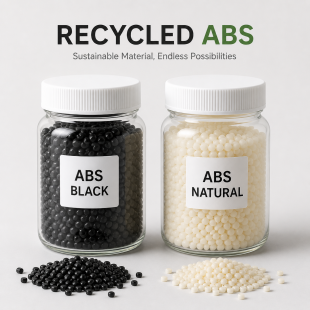
What Is Recycled ABS? Process, Properties, Benefits & Applications
Recycled ABS is a sustainable engineering plastic made from post-consumer or industrial waste. This guide explains its manufacturing process, key properties, environmental advantages, and common applications to help you choose the right material for your business.What Is Recycled ABS? Process, Properties, Benefits & Applicationsmore -

GRS vs. RCS vs. UL Certified Plastics
Explore the key differences between GRS, RCS, and UL 2809 certifications for recycled plastics. This guide helps manufacturers and buyers understand each standard and choose the most suitable certification based on application, market requirements, and sustainability goals. Discover how Taichyu supports global customers with certified, high-quality recycled plastic materials.GRS vs. RCS vs. UL Certified Plasticsmore -
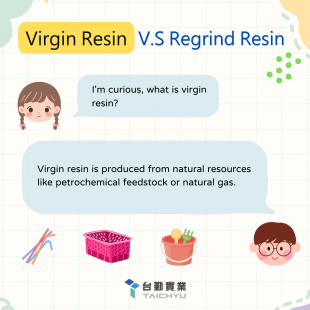
Virgin Resin vs. Regrind Resin
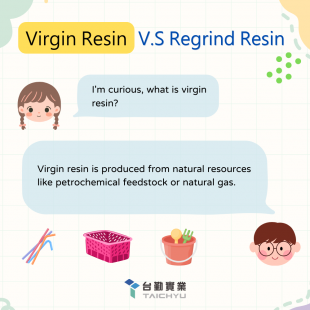
Is using regrind resin the future trend? While pursuing profits, we should also strive to maintain a good natural environment for the next generation. Let's strive together. Our custom-recycled PP products are eligible for GRS certification.Virgin Resin vs. Regrind Resinmore -
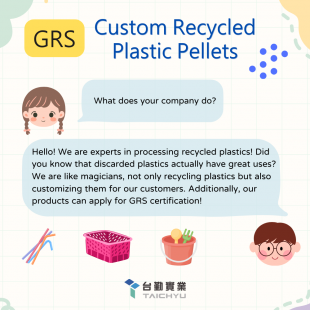
GRS Customized Recycled Plastic Pellets
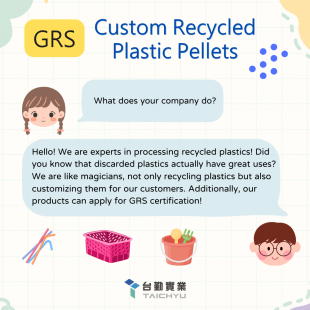
What! Recycled plastics can be customized? Let the experts in plastics transform your plastics, Don't treat plastics as trash; let them revive with a new life! Our custom-recycled PP products are eligible for GRS certification.GRS Customized Recycled Plastic Pelletsmore -
Happy Dragon Boat Festival
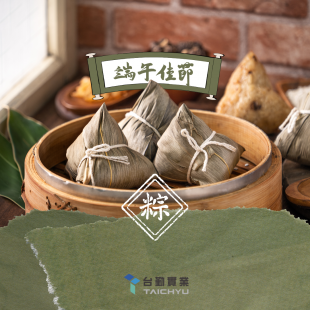
The gentle breeze brushes past, carrying with it the fragrance of the occasion. It's that time of the year again – Dragon Boat Festival! Are you ready to welcome the weekend? Let's cherish this joyous traditional festival together, savoring moments of laughter and happiness. Let's enjoy some rice dumplings and perhaps take a refreshing bath in the noontime sun! Wishing everyone a happy Dragon Boat Festival.Happy Dragon Boat Festivalmore -
Plastic/Resource Recycling Logo No. 1-7 (PET, HDPE, PVC, LDPE) fog brake? Understand the resource recovery sign in seconds
In fact, the plastic products we come into contact with every day have plastic recycling signs marked with No. 1 to No. 7, and these 7 numbers represent different plastic materials, and their characteristics, uses and heat resistance are also different. Start by understanding the plastic recycling logo to make your plastic recycling more secure!Plastic/Resource Recycling Logo No. 1-7 (PET, HDPE, PVC, LDPE) fog brake? Understand the resource recovery sign in secondsmore -
The Year of the Dragon is a great deal
In the new year, I wish you all a prosperous business and a prosperous career!!The Year of the Dragon is a great dealmore -
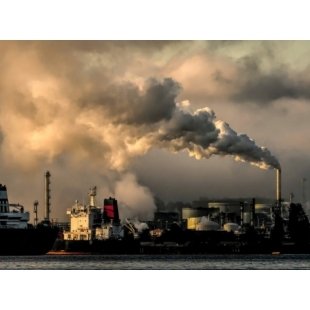
What is 14064-1 Carbon Inventory?
In response to the global trend towards net-zero emissions, enterprises and even small and medium-sized enterprises have begun to calculate the carbon footprint of their products and services. However, how do you know if the carbon footprint is calculated correctly or not, and a set of standard methodologies are provided internationally to guide and standardize the calculation process, facilitate the quantification of greenhouse gas management, further monitoring, and improve the consistency of reporting and verification.What is 14064-1 Carbon Inventory?more -
Global recycling standard GRS
The Global Recycling Standard (GRS) was originally created by the Regulatory Union (CU) in 2008 and transferred ownership to the Textile Trade Association on January 1, 2011. This standard is for companies that want to have a claim describing the content of recycled raw materials in their final products.Global recycling standard GRSmore